
Taste Japan / Travel journal
One Day in Kanazawa: A Food Walk from Market to Teahouses
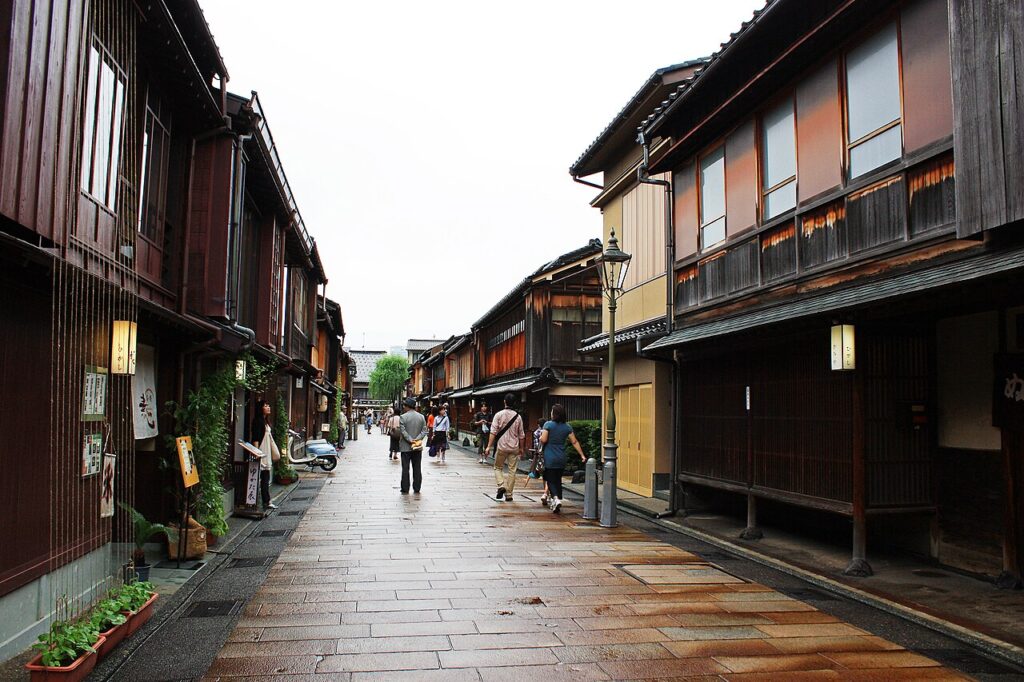
One day in Kanazawa works best when you give lunch and tea as much room as the sights. This food-focused itinerary links Omicho Market, the Asano River, Kazuemachi and Higashi Chaya, then leaves the evening for a regional dinner. The aim is to notice how the city eats: what is on sale, how a meal is served, and why a small cup of tea deserves a proper stop.
By Taste Japan Editorial. A researched, suggested journey rather than a personal travel diary. Planning information checked September 19, 2026. Walking times and budgets below are our estimates; confirm individual opening days before visiting.
Your Kanazawa food itinerary at a glance
Route: Kanazawa Station → Omicho Market → Kazuemachi → Higashi Chaya → dinner around your accommodation or Korinbo/Katamachi. It is designed for a full day already in the city. If arriving around lunchtime, start at the market and keep the afternoon short.
- Morning: walk through the market before choosing an early lunch.
- Early afternoon: follow the streets toward the Asano River and pause in Kazuemachi.
- Mid-afternoon: cross to Higashi Chaya for tea, a sweet and one shop you genuinely want to browse.
- Evening: try a cooked local dish, so dinner adds something different from lunch.
Allow roughly 5–7 hours before dinner, including sitting down. From the station through the market to the tea districts, budget about 3–4 km with wandering; heading onward to Korinbo adds roughly another 2 km. These are route-planning estimates, not a measured accessible itinerary. Use a bus or taxi for the final leg if needed.
Market and lunch · Riverside pause · Tea and sweets · Dinner choices · Budget and alternatives
Morning at Omicho Market: look before you order
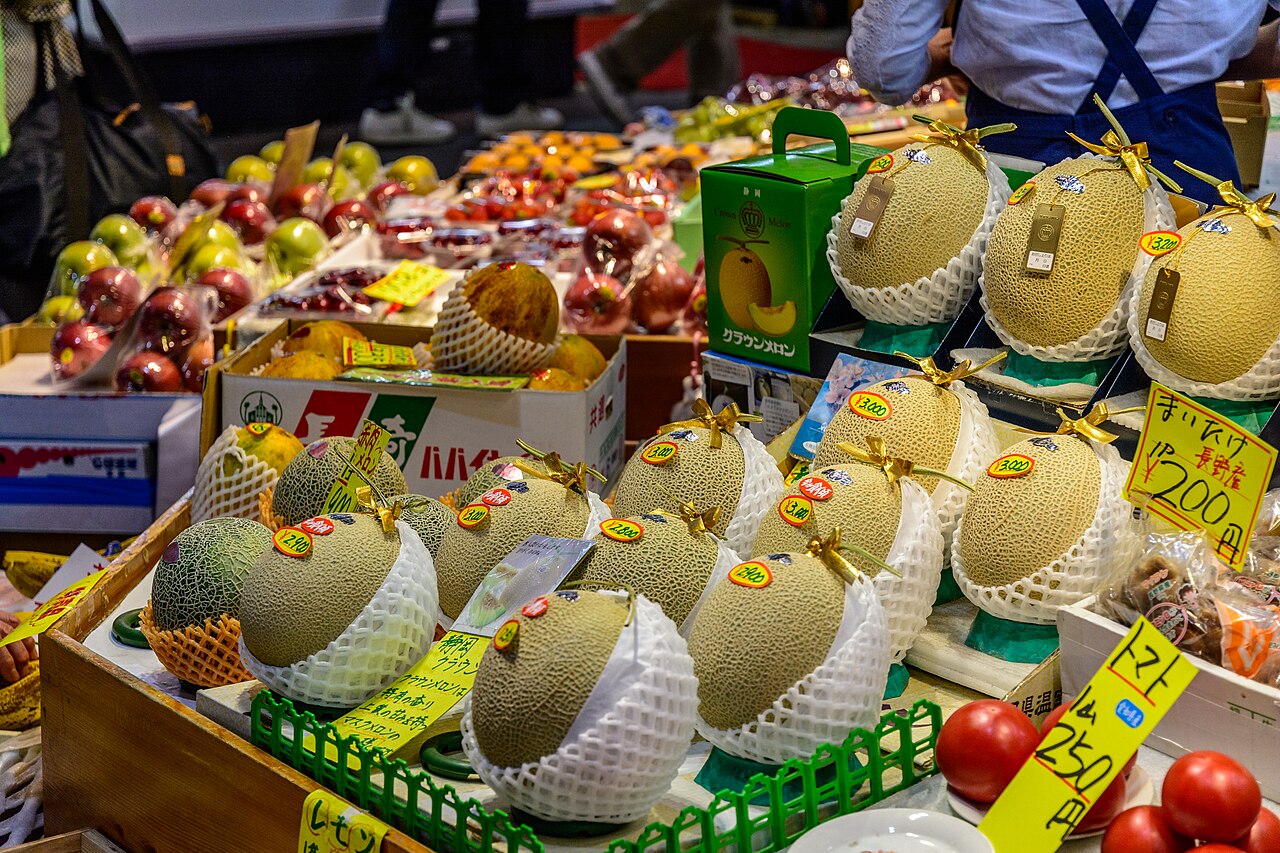
Start with a circuit of Omicho Market. It is both a visitor destination and a working food market, with produce as well as seafood. Give the vegetable stalls and fruit displays some attention before joining a restaurant queue. A price card, a seasonal ingredient and a shopkeeper preparing an order can tell you more than another photograph of the busiest entrance.
.jpg)
For lunch, make three decisions before you sit down: raw or cooked, a small selection or a large bowl, and your maximum spend. A seafood rice bowl can be appealing, but the largest assortment is not automatically the most satisfying choice. Compare the actual menu, portion and price rather than assuming two bowls with similar photographs contain the same things.
Our queue rule: choose a limit before you see the line—perhaps 20 minutes—then keep a second option. This is a suggestion for protecting your day, not a prediction of wait times. Ask about a cooked dish if raw fish does not appeal. If a particular ingredient matters to you, confirm availability instead of relying on a photograph online.
Shop schedules vary, so do not treat the whole market as one restaurant with one opening time. Aim for the earlier part of the day, and check the places you most want to visit. Eat purchases where the seller directs you, keep aisles clear, and ask before photographing staff or close-up displays.
After lunch: let Kazuemachi slow the pace
From the market, allow around 15–20 minutes to reach the Asano River area on foot. The small Kazuemachi Chaya District sits beside the river, a short crossing from Higashi Chaya. Its latticework fronts and narrow lanes make a useful change of scale after the market.
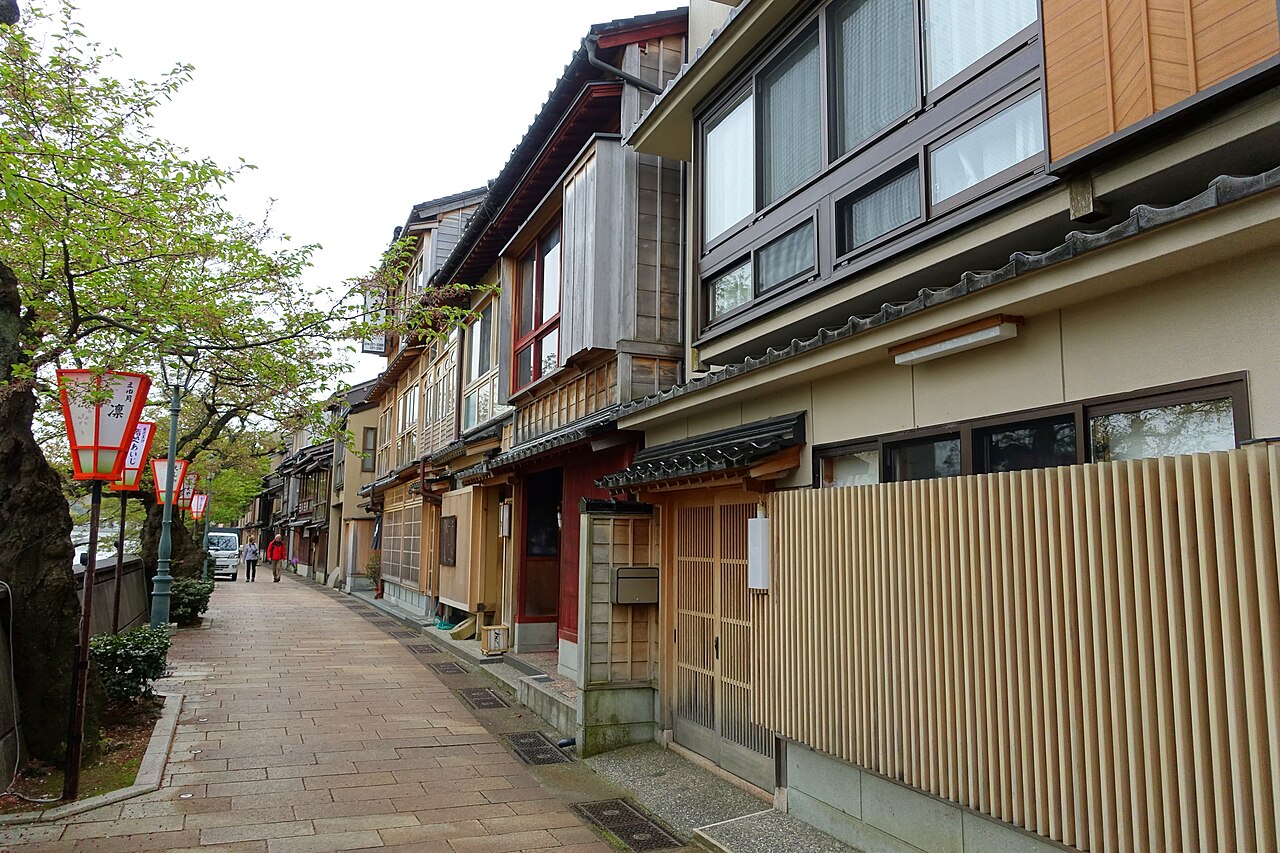

Try a simple exercise: put the camera away for the first ten minutes. Look at the difference between a public lane, a shop entrance and a private doorway. Then choose one view to photograph without blocking someone’s route. This is a lived-in district, and a quiet-looking door is not an invitation to enter.
There is no need to manufacture a “secret spot” here. The value is that you can spend half an hour in a small area without needing another ticket or reservation. If you want to return near dusk, move this pause later and keep your dinner close to the river; do not add a second cross-city journey solely for a photograph.
Higashi Chaya: make the tea stop the activity
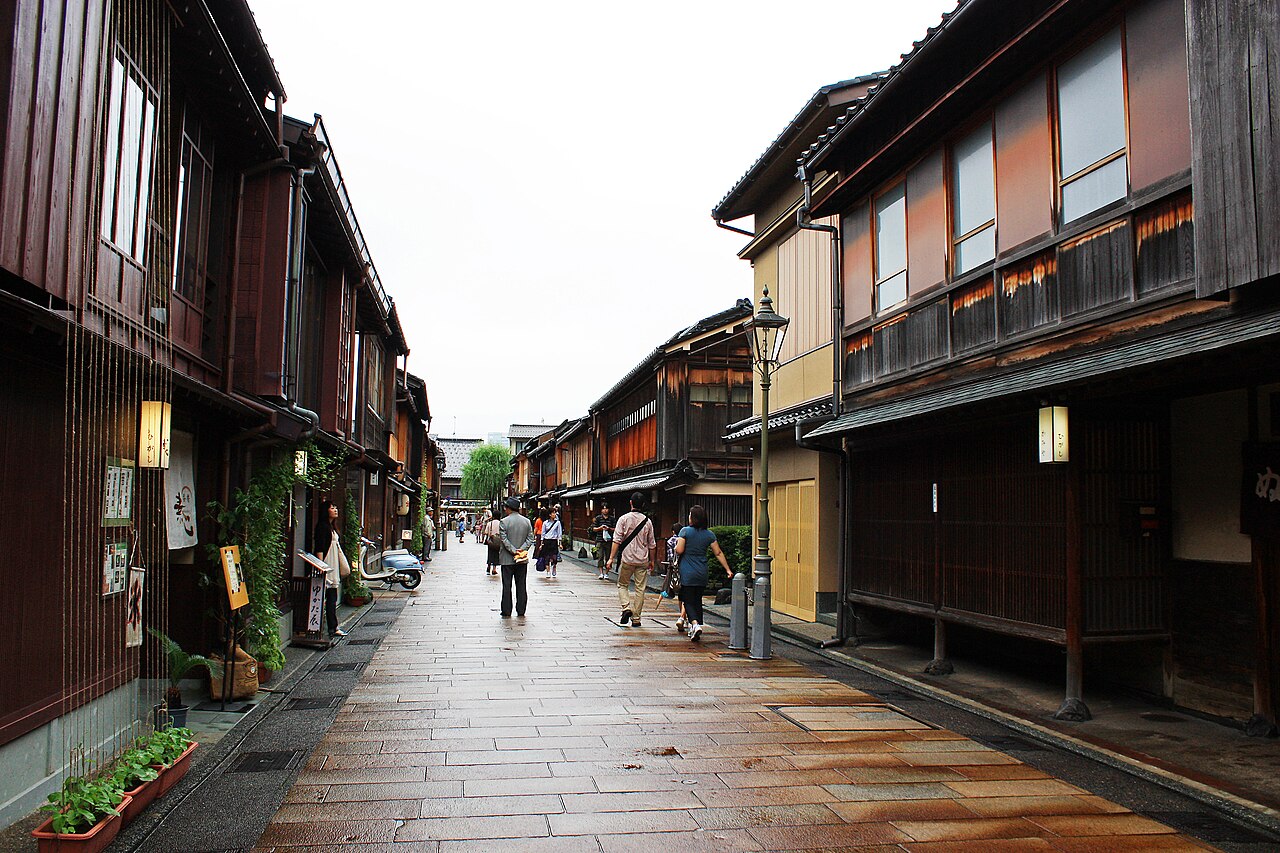
Cross toward Higashi Chaya and allow an unhurried hour or more. The city’s district guide notes that many shops operate broadly within daytime hours, while each business sets its own schedule. Arriving very early may mean attractive streets but closed doors; arriving too late can mean missing the café you wanted.
.jpg)
Choose somewhere with a tea-and-sweet set you actually want. Ask about Kaga bocha if it is offered, or choose another tea on the menu. The useful comparison is between the drink and the sweet: take a sip before the first bite, then another afterward. It gives a small purchase your full attention, and a reason to stay seated.
Gold-leaf treats can be fun if they interest you. They need not become the compulsory food stop of the day. A seasonal sweet, a cup you enjoy drinking from or a small piece of craftwork may be the more personal memory. Eat on the shop premises or in a designated area, following local signs; do not turn the lane into a moving picnic.
A historical chaya is not simply the Japanese word for a modern walk-in café. For a cultural visit or performance, look for a clearly advertised visitor programme and check its booking conditions. Do not assume every traditional building is open to tourists.
What to eat in Kanazawa after a seafood lunch
Make dinner a deliberate change of texture and temperature. Consult the city’s local cuisine guide and choose a dish before choosing a restaurant. Two useful starting points are:
- Jibuni: a Kaga dish commonly made with duck or chicken, vegetables and wheat gluten in a thickened broth. It offers a different introduction to the region from a raw-seafood bowl.
- Kanazawa oden: ingredients simmered in broth, enjoyed locally beyond the winter months. Ordering a few individual pieces, where available, can make it easier to explore without committing to a huge meal.
For oden, the tourism association’s restaurant list by area is a practical shortlist. Choose near where you will finish the day, check current service hours and ask about reservations. A famous counter across town is less useful if reaching it makes the evening stressful.
Dietary planning: a vegetable-looking dish may still contain fish or meat stock. Jibuni commonly contains wheat; oden ingredients and broths differ by shop. Ask about the specific ingredients you avoid before ordering. Do not assume “cooked,” “vegetable” or “tea-house food” means vegan, halal or gluten-free.
Budget, rain and the stops to leave for another day
Suggested food allowance: roughly ¥5,000–¥8,000 per person for a casual lunch, tea and sweet, and a modest dinner, excluding alcohol, transport and accommodation. This is an editorial planning allowance, not quoted restaurant pricing. Premium seafood and drinks can raise the total considerably; check menus before joining a queue.
If it rains: spend longer over lunch and tea, and shorten the riverside walk. Covered market passages help, but the connections between districts are outdoors. Bring an umbrella and shoes with grip; use local transport when conditions make walking unpleasant.
If you arrive late: keep Omicho plus one tea district, then dinner. If Kenrokuen is your main reason for coming, replace part of this food walk with the garden. Trying to add the castle, Nagamachi, multiple museums and another town turns this into a different itinerary.
If you have a second morning: give Kenrokuen or Nagamachi a proper visit. Check current access and opening information with the tourism office. For transport, use the official getting-around guide rather than assuming every local bus accepts the same ticket or payment method.
Questions before you go
Is one day enough for Kanazawa?
It is enough for this focused market-and-teahouse route. An overnight stay makes dinner easier to enjoy and gives you another morning for a major sight. One day is not enough to explore every district at this pace.
Can I do this Kanazawa itinerary without a car?
Yes. The core route links central areas on foot, with buses or taxis available for longer connections. Choose shorter sections if you have mobility needs; narrow lanes, steps and individual shop access require checking.
What if I do not eat raw seafood?
Build lunch around a confirmed cooked option, then look at regional dishes for dinner. Check menus ahead if your choices are limited, especially when avoiding fish stock as well as seafood itself.
Keep planning your Japan trip
Use our Japan restaurant map to explore listings, and read Everyday Japan for more ways to build a trip around ordinary pleasures. For a different kind of food walk, try our slow day in Onomichi, where hills and the channel shape the route.
Sources and editorial approach
We compared the independent travel accounts Japlanease’s one-day guide and Torn Tackies’ Kanazawa itinerary, then checked place and food details against the official sources linked above. Their broader sightseeing routes informed our decision to narrow this day to food and two neighbouring tea districts. The route, queue rule and budget allowance are Taste Japan’s editorial recommendations, not accounts of a visit or guaranteed conditions.
Photographs are archival images of the named locations, not photographs taken on this suggested journey. Credits and licences accompany each image; the Higashi Chaya photograph is also used as the article’s featured image.