
Taste Japan / Travel journal
A Slow Day in Onomichi: Hillside Lanes, Ramen, and a Second Cup
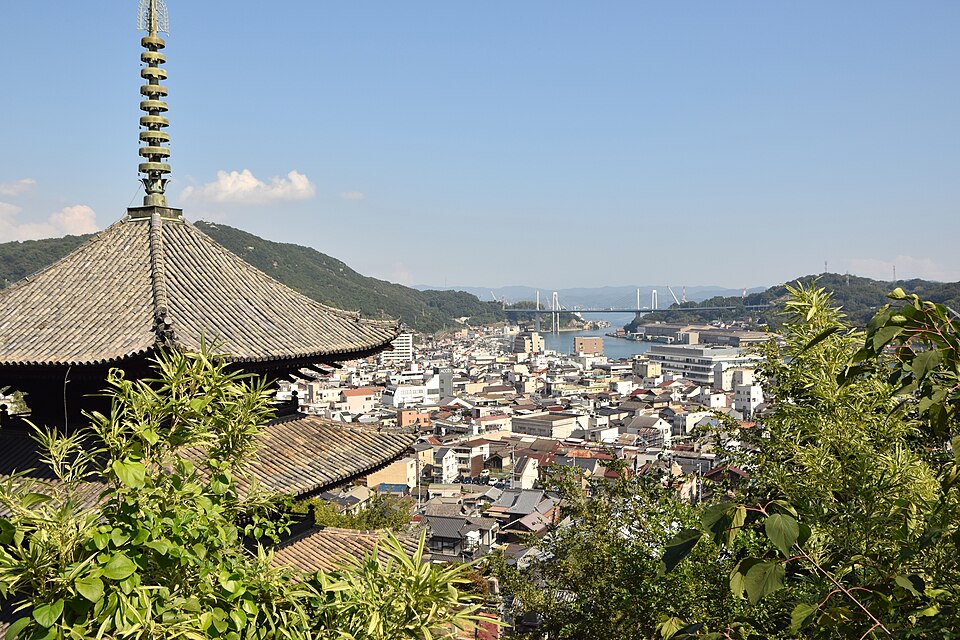
An editorial walking journey through Onomichi, Hiroshima. Researched from published travel accounts and local sources; this is a suggested route, not a claim of a personal visit. Planning notes checked September 2026.
Give Onomichi a day with only three appointments: a view from the hill, a bowl of noodles, and a return to somewhere you liked. The space between them is the point. This compact port town lets you move from the water to steep residential lanes and back to a shopping arcade without turning the day into a string of train transfers.
Our version of the journey has a small rule: keep one hour unassigned. You can spend it looking at the channel, browsing a shop you nearly passed, or having a second coffee. A place begins to feel different when you stop treating every return along the same street as wasted time.
The route at a glance
JR Onomichi Station → waterfront → Hondori shopping arcade → Senkoji Ropeway → Senkoji Park and hillside lanes → lunch in town → a second café stop → waterfront.
Allow a full, unhurried day. The stages below suggest a rhythm, not a fixed timetable. The hillside section includes steps; a low-level alternative appears below.
.jpg)
Morning: learn the town from the water
Start at JR Onomichi Station and head toward the waterfront before choosing breakfast. Put the map away for a few minutes somewhere you can safely stop. Look across toward Mukaishima: the opposite shore, boats, and working waterfront give the view a scale that a panoramic photograph can lose.
Walk east into the Hondori shopping arcade. Read it as a street that people use, rather than an attraction that owes you a performance. A closed shutter is not a failed stop. If a place is opening later, make a note and return. Choose one drink or a light breakfast now, leaving room for lunch.
For a useful contrast, Onomichi U2 sits west of the station in a converted waterfront warehouse, with places to eat, shop, and stay. Make it an optional beginning or end to the day rather than forcing a detour into every section. The warehouse, arcade, and hillside offer three different ways to read the same town. The waterfront and arcade connection is described in Japan-guide’s personal Onomichi account.
Late morning: go up once, come down slowly
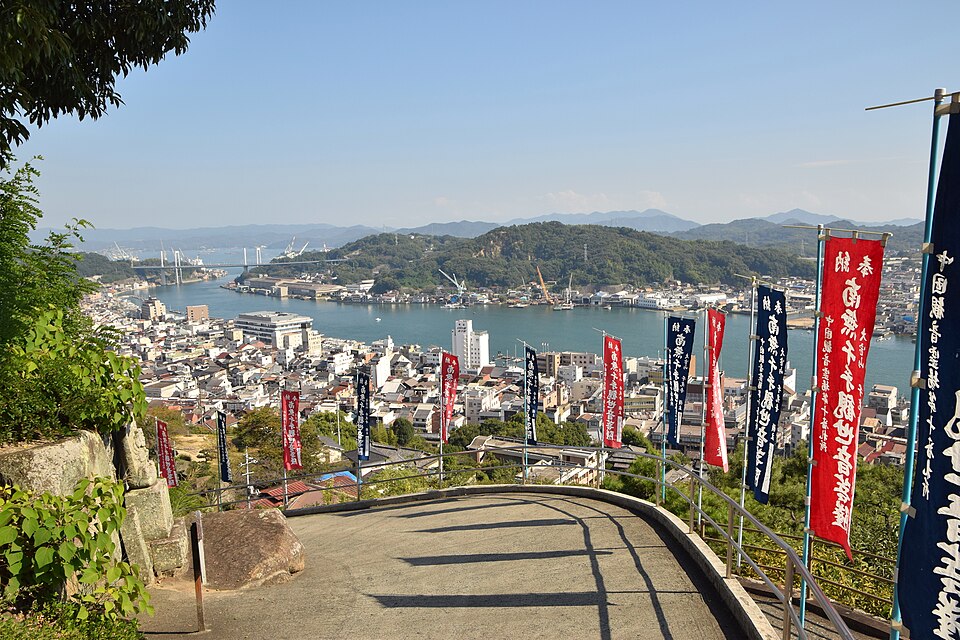
Continue toward the lower Senkoji Ropeway station at Nagaeguchi. Take the ropeway uphill if it is operating, then spend time in Senkoji Park before descending through the temple area. Use the panorama to locate where you started: the station, the narrow band of town, and the water beyond. Suddenly the streets below become a route you can recognize.
.jpg)
The descent is the part to protect from overplanning. Follow public paths and signs toward Senkoji and the lanes below, including Cat Alley if it suits your route. Stop where there is room to let others pass. Notice a change in paving, a tiny turn in a staircase, or the moment the water appears between buildings. You do not need to complete an entire temple circuit to have paid attention.
These lanes are also entrances to homes. Keep doors and stairs clear, ask before photographing people or interiors, and leave cats to approach or ignore you. A quiet street is still somebody’s everyday space.
The operator lists regular ropeway hours as 9:00–17:15, with variations and possible service interruptions. Check the official operating hours and service notices before setting out. If descending on foot, allow daylight and wear shoes with grip; downhill steps still take effort.
Lunch: let one bowl be enough
Back in town, lunch has a natural focus: Onomichi ramen. The Onomichi Tourism Association describes the local style through soy-based soup, small-fish stock, flat noodles, and floating pork back fat. Individual shops vary. The clear-looking broth should not be mistaken for a vegetarian dish.
Rather than ranking three bowls you cannot comfortably eat, choose one shop that fits your route and appetite. Check its current hours and queue arrangements. If the wait would consume your free hour, choose another meal and keep the afternoon. A famous bowl can be worthwhile; so can a lunch that gives the rest of the day room to happen.
If you avoid pork, fish, or other ingredients, confirm the stock as well as the toppings. “No meat on top” does not change a broth. Decide on a suitable option before you are hungry instead of relying on a small kitchen to improvise a different recipe.
Afternoon: spend your spare hour twice in the same place
This is where we would deliberately repeat a stop. Return to the café you noticed in the morning, or to a shop whose door was still closed. Order something you actually want, put the phone down, and allow the visit to be ordinary.
In Yuren Ju’s Onomichi travel essay, returning to a small café creates a connection with the owner and other customers around a fireworks festival. That is his experience, not a promise this route can reproduce. The useful idea is simpler: familiarity sometimes grows through a second visit. Conversation is welcome when it happens naturally; it is not something a visitor is entitled to receive.
Try a small notebook exercise while you pause: write down one sound, one practical detail, and one thing you would return for. “A good place to sit when it rains” may be a more useful travel memory than your twenty-fifth photograph of the same view.
Evening: finish at the same water
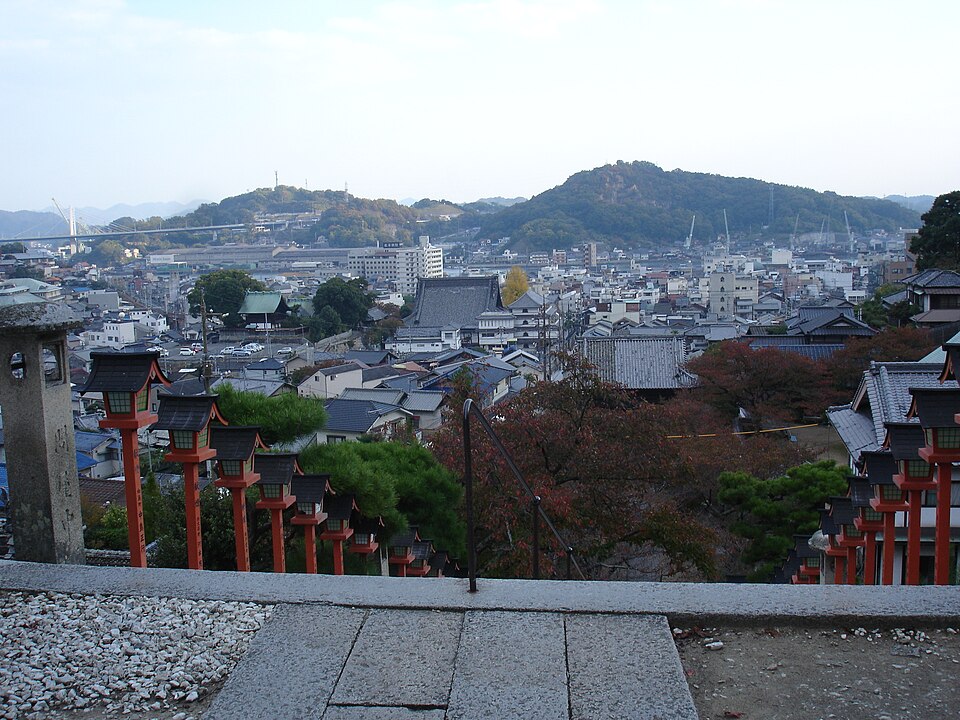
Return to the waterfront before your train. Compare it with the morning without expecting a spectacular sunset. The change may be small: a different light on the opposite shore, another boat, a cooler place to sit. Ending where you began makes the day feel complete without requiring another attraction.
If staying overnight, choose dinner before the last minute and check the restaurant’s service hours. If leaving, keep a comfortable margin for the station. The Shimanami Kaido deserves its own cycling plan; this walking day is already full enough.
.jpg)
Make the day fit you
- Rain or tired knees: keep to the waterfront and arcade, shorten exposed stretches, and use cafés as seated breaks. This avoids the steep hillside section; it is not a verified step-free itinerary.
- Hot weather: give the hill the cooler part of the day, carry water, and trade extra stops for a longer indoor break.
- Navigation: save JR Onomichi Station, the lower ropeway station, and your accommodation as separate pins. Shin-Onomichi is a different station; check which one your train serves.
- Spending: plan for one lunch, one or two café stops, and any ropeway fare. Check current menus and fares rather than treating an old trip report as a price list.
Take this route as an invitation to make a small part of Japan legible to yourself. By the end, you should know one way back without a map, one place you would sit again, and one meal you can still remember.
Reading behind this journey: Yuren Ju’s independent travel essay and Japan-guide’s first-person Onomichi feature informed the approach; local tourism and ropeway sources support the practical details linked above. The route, pacing, and notebook prompts are Taste Japan’s editorial suggestions. No encounters or restaurant tastings are presented as our own.
Featured image: Raita Futo, Onomichi (2021), CC BY 2.0; resized and cropped to fit the cover layout. Photographs illustrate the destination and were taken on separate visits by the credited photographers.